Probabilities in Poker: How Often Does Your Opponent Hit a Better Hand?


Probabilities in Poker: How Often Does Your Opponent Hit a Better Hand?
Poker isn’t just a game of luck – it’s a game of calculated risk and probability. Every decision you make at the table is based on how often you’re ahead and how often your opponent can catch up. Understanding these probabilities is key to making the right calls – whether you’re betting, folding, or bluffing.
In this article, we’ll look at how often your opponent actually hits a better hand, and how you can use that knowledge to improve your play.
From Pre-Flop to River – How the Odds Shift
In Texas Hold’em, you start with two private cards, and five community cards are revealed in stages. The probabilities change dramatically from the flop to the turn and river.
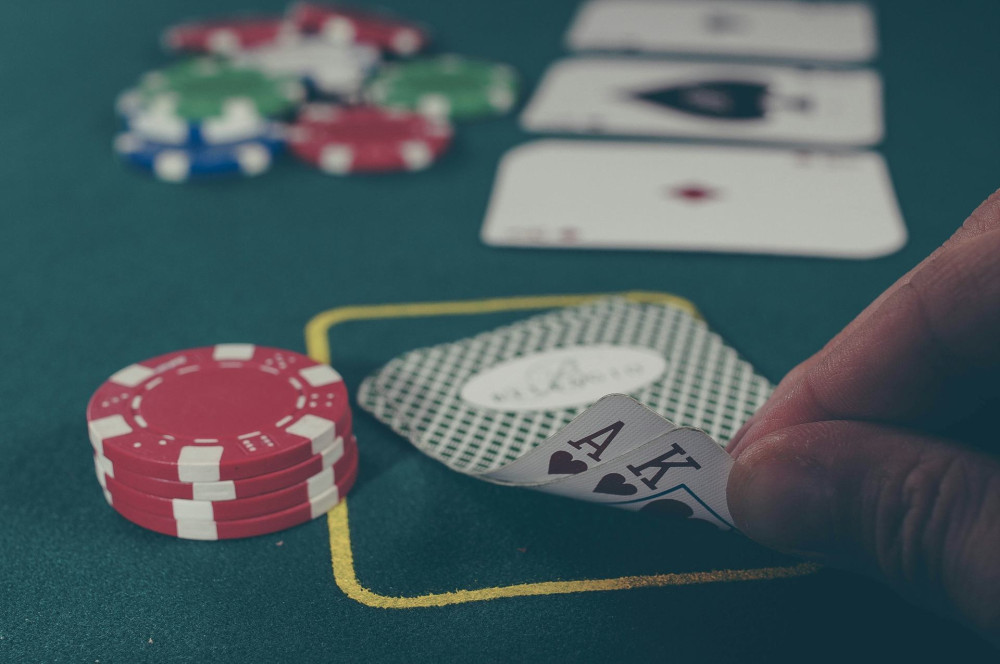
Take a classic example: you’re holding pocket aces against an opponent with two lower suited cards. Before the flop, you’re a big favourite, but as the community cards come down, the situation can shift quickly.
- Pre-flop: Pocket aces win about 80% of the time against two random cards.
- After the flop: If your opponent picks up a flush or straight draw, your winning chances drop significantly.
- On the river: Once all cards are revealed, there’s no uncertainty left – only the result.
Understanding how these probabilities evolve helps you decide when to protect your hand and when to back off.
Common Scenarios – and How Often You Get Outdrawn
Even strong hands can be overtaken. Here are some of the most common situations where your opponent might hit better:
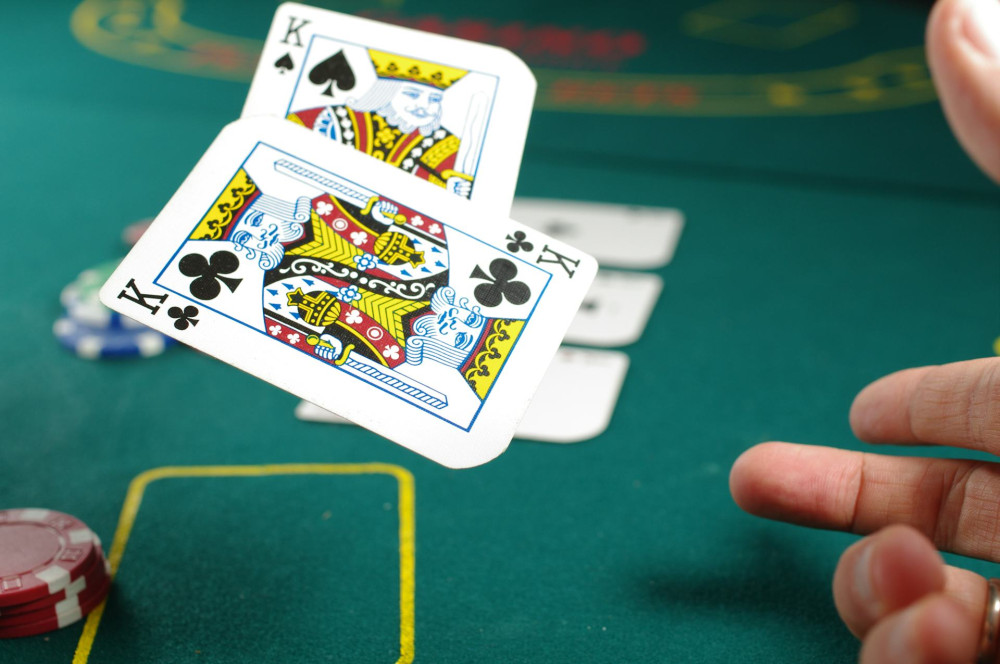
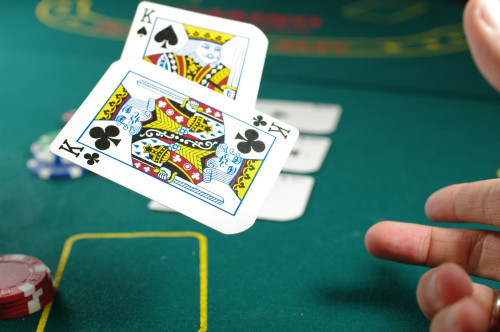
- Overpair vs. lower pair: If you have kings and your opponent has queens, you’ll win around 82% of the time – but that still means you lose nearly one in five.
- Top pair vs. flush draw: If you’ve got top pair and your opponent is chasing a flush, they’ll typically complete it about 35% of the time if they see both the turn and river.
- Two pair vs. straight draw: An open-ended straight draw hits roughly 31% of the time over two cards.
- Set vs. higher set: It’s rare, but when it happens, you’re almost drawing dead – the chance of set-over-set is about 1 in 100 hands where both players see a flop.
These numbers show that even when you’re a favourite, there’s always risk involved. Poker isn’t about winning every hand – it’s about making decisions that are profitable in the long run.
Using Probabilities to Your Advantage
Knowing the odds is only the first step. The next is applying them strategically.
- Calculating pot odds: Compare what you have to call with the size of the pot. If you need to call €10 to win a €40 pot, you need to win at least 25% of the time for the call to be profitable.
- Understanding “outs”: An “out” is any card that improves your hand. The more outs you have, the better your chances. A flush draw has nine outs, while an open-ended straight draw has eight.
- Thinking in ranges, not hands: Instead of guessing one specific hand, consider the range of hands your opponent could have. This gives a more realistic picture of how often you’re ahead.
By combining mathematical reasoning with careful observation of your opponents, you can make more accurate decisions and avoid costly mistakes.
When Luck Turns – and Why It Shouldn’t Shake You
Even the best players lose hands they were supposed to win. That’s part of poker’s nature. Probabilities describe long-term outcomes, not individual hands.
If you lose a hand where you were an 80% favourite, it doesn’t mean you played badly – it just means you hit the 20% where your opponent got lucky. Over thousands of hands, the numbers balance out, and good decisions will show profit.
Staying calm and focusing on the process rather than the short-term results is one of the most important mental skills in poker.
Læs også:



Conclusion: Probabilities as Your Strongest Weapon
Poker is a game of decisions under uncertainty. The better you understand the probabilities, the better you can navigate the countless situations where luck and strategy intersect.
Knowing how often your opponent hits a better hand isn’t about predicting the future – it’s about making decisions that are statistically sound over time. That’s where the real difference between luck and skill becomes clear.
Læs også: