Poker Under Pressure: How to Keep Your Cool at the Table

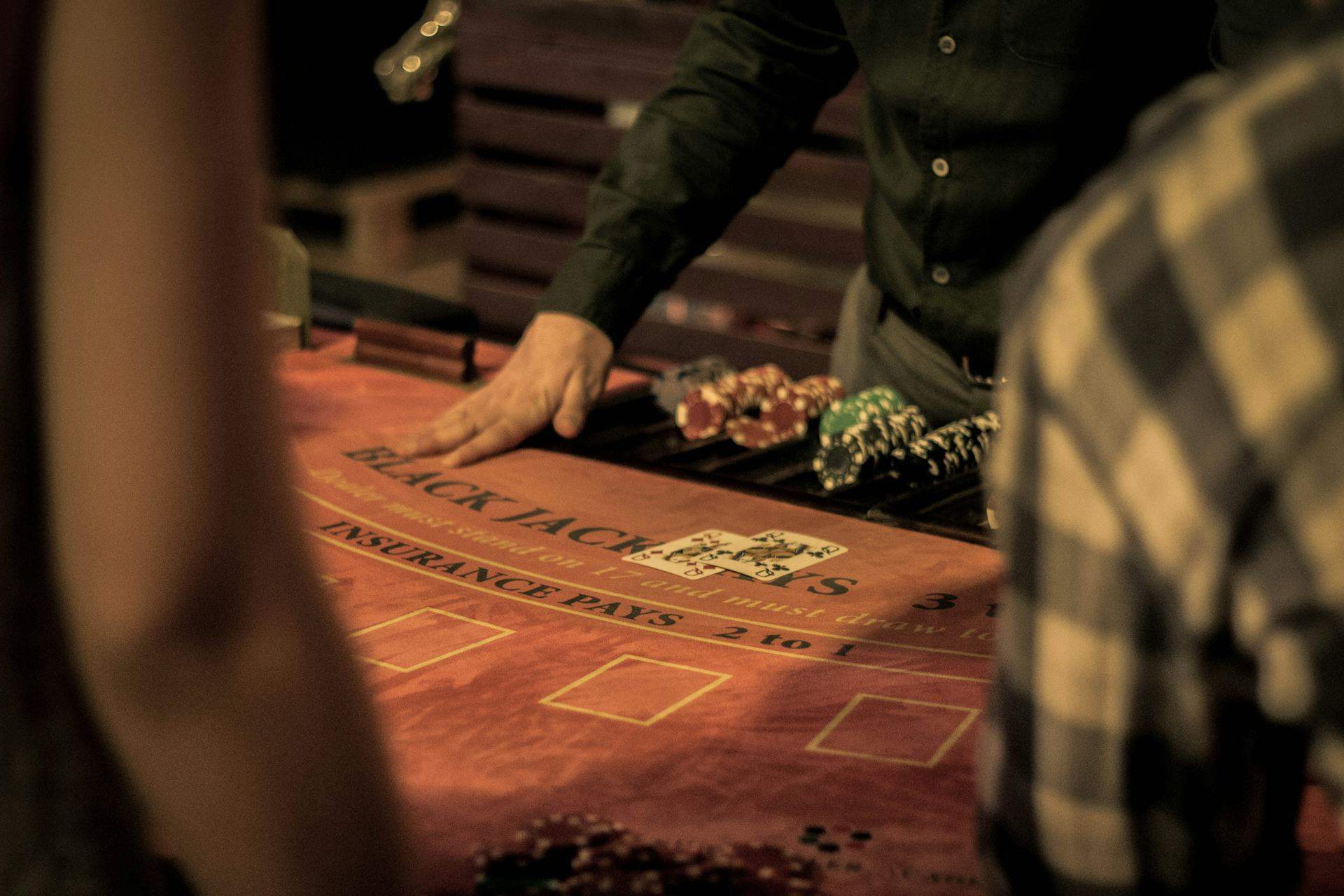
Poker Under Pressure: How to Keep Your Cool at the Table
Poker is a game where luck and strategy intertwine – but in the long run, it’s your mindset that determines whether you win or lose. Whether you’re sitting in a cardroom in Dublin or playing online from your kitchen table, the pressure can mount as the stakes rise and the decisions get tougher. Staying calm when adrenaline kicks in is one of the most valuable skills any poker player can develop. Here’s how to keep your cool when the heat is on.
Know Your Own Mind
The first step to mental strength at the poker table is self-awareness. How do you react when you lose a big hand? Do you get frustrated, impatient, or reckless? Many players fall into the trap of chasing losses – a state known as tilt.
Avoiding tilt isn’t about suppressing emotions; it’s about recognising them before they take control. Notice your physical cues: tense shoulders, shallow breathing, or restlessness. When you spot them, take a short break, breathe deeply, and remind yourself that poker is a game of probabilities, not emotions.
Build Routines That Bring Calm
Professional players often rely on routines to help them stay focused. It might be listening to calming music before a session, reviewing previous hands, or simply taking a few minutes to clear their mind.
Try creating small rituals that signal to your brain that it’s time to play. Take a few deep breaths, check your bankroll, or jot down one goal for the session. Routines create stability – and stability reduces stress.
Læs også:

Accept Variance as Part of the Game
Even the best players lose hands they “should” have won. Variance – the role of chance – is an unavoidable part of poker. If you can’t accept that, frustration will start to dictate your decisions.
A useful mindset is to focus on process rather than outcome. Ask yourself: “Did I make the right decision with the information I had?” If the answer is yes, then you played well, regardless of the result. Over time, good decisions will yield good results, even if individual hands don’t go your way.
Use Breaks Strategically
When you feel your concentration slipping or emotions rising, take a break. Stand up, stretch, grab a glass of water, or step outside for a few minutes. A short pause can prevent poor decisions and give you a mental reset.
If you’re playing online, schedule regular breaks – say, five minutes every hour. In live games, use the downtime between hands to breathe deeply and observe your opponents instead of replaying mistakes in your head.
Focus on What You Can Control
You can’t control the cards you’re dealt or how your opponents play. But you can control your own reactions. That’s often what separates average players from great ones.
Keep your attention on the factors you can influence: your strategy, your position, your reads, and your mindset. When you shift focus away from what’s uncontrollable, stress decreases and decision-making improves.
Train Mental Strength Off the Table
Mental resilience can be trained just like technical skills. Many poker players use meditation, mindfulness, or physical exercise as part of their preparation. It’s not about becoming emotionless – it’s about maintaining clarity under pressure.
Try spending five minutes a day focusing on your breathing. When thoughts arise, let them pass without judgment. This simple practice can make a noticeable difference when you’re facing a tough decision at the table.
Find Your Anchor When the Pressure Peaks
In those crucial moments when the pot is big and the decision is tough, it helps to have a mental “anchor” – a phrase or thought that brings you back to calm. It could be something as simple as “Play your game” or “Make the best decision, not the fastest one.”
An anchor reminds you that you control your response, even when everything around you feels intense. It’s a technique many professionals use to stay composed when the stakes are highest.
Poker Is More Than Just Cards
Keeping your cool at the poker table ultimately comes down to understanding that the game isn’t just about cards and chips – it’s about psychology, discipline, and self-awareness. The player who stays calm when others lose their composure holds a powerful advantage.
So next time you feel your pulse quicken, remember: calm is your strongest hand.
Læs også: