User-Friendliness in Casino Games: How Navigation, Layout, and Intuitive Operation Are Evaluated


User-Friendliness in Casino Games: How Navigation, Layout, and Intuitive Operation Are Evaluated
When Irish players log in to an online casino, the experience is about more than just jackpots and flashy graphics. The ease of use — how simple and enjoyable it is to move around, place bets, and access features — plays a major role in whether players stay or move on. In a competitive market where dozens of licensed Irish and international operators compete for attention, user-friendliness has become a key differentiator. This article explores how navigation, layout, and intuitive operation are evaluated in modern casino games.
Navigation: The Path to a Seamless Experience
Smooth navigation is the foundation of a user-friendly casino platform. Players should be able to find what they need quickly — whether that’s a new slot, a live dealer table, or information about a welcome bonus.
The best online casinos available to Irish players structure their menus logically and consistently. The main menu typically includes clear categories such as “Games,” “Promotions,” “Payments,” and “Support.” Submenus should be easy to understand and never buried under too many clicks.
Immediate feedback is another crucial element. When a player taps a button, something should happen right away — a colour change, a sound, or a short animation confirming the action. This reassurance helps prevent confusion and builds trust.
On mobile devices, navigation becomes even more critical. With most Irish players now using smartphones or tablets, menus must adapt to smaller screens. Essential functions like “Play Now” or “Deposit” should always be visible without covering the game area.
Layout: Visual Clarity and Balance
A well-designed layout is about more than aesthetics — it’s about clarity and comfort. A good layout guides the player naturally through the experience without overwhelming them with information.
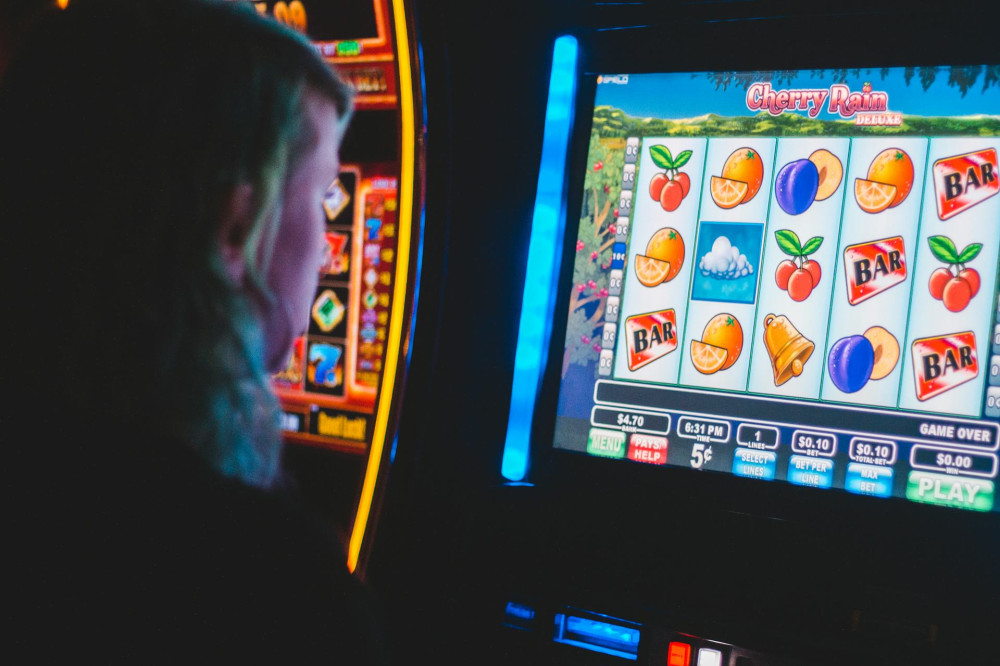
A typical casino site or game interface should have a clear visual hierarchy: the logo and main menu at the top, the game area or lobby in the centre, and practical tools like account balance and login options clearly visible. Colours and contrasts should highlight what matters most — for example, the “Spin” or “Bet” buttons — without distracting from gameplay.
For complex games such as multi-feature slots or live casino tables, recognisable symbols and consistent button placement are essential. Players should be able to understand what’s happening without reading lengthy instructions.
A cluttered layout can quickly lead to frustration and cause players to leave. That’s why many developers now rely on A/B testing and focus groups to identify the most intuitive design before launch.
Intuitive Operation: When the Game Feels Natural
Intuitive operation means that players instinctively know how to interact with the game. It’s about using familiar patterns and gestures that align with players’ digital habits.
A classic example is the “spin” button on slot games. It’s almost always placed at the bottom centre or right-hand side — exactly where a player’s thumb naturally rests. Moving it elsewhere might look creative, but it risks confusing users.
Other examples of intuitive operation include:
- Recognisable icons – a gear for settings, a question mark for help.
- Consistent gestures – swiping, tapping, and dragging should behave the same way across games.
- Responsive design – the game should automatically adjust to different screen sizes and orientations without losing functionality.
When operation feels natural, players can focus on the excitement of the game rather than figuring out how to use it.
Testing and Evaluation: Measuring User-Friendliness
User-friendliness isn’t just a design choice — it’s something that must be tested. Professional casino operators often conduct usability tests, observing real players as they navigate the platform. They measure:
- How quickly players find specific features.
- How often errors or misunderstandings occur.
- How satisfied players feel after using the site or game.
In addition, heatmaps and click-tracking tools are used to analyse where players click most and where they hesitate. These insights reveal whether the layout works as intended or needs improvement.
Læs også:




The Overall Experience: Where Design Meets Function
The best user experience happens when design, performance, and technology work together. A casino game can look stunning, but if it loads slowly or buttons lag, players will lose interest. Conversely, a simple design with fast response times and logical structure can deliver a far better experience.
For players, good usability means less frustration, faster access to entertainment, and a greater sense of control. For operators, it means higher satisfaction, longer play sessions, and stronger loyalty — all within the framework of responsible gaming promoted by the Irish regulator.
Conclusion: User-Friendliness as a Competitive Edge
In a market filled with thousands of games and platforms, user-friendliness is no longer optional — it’s essential. Navigation, layout, and intuitive operation form the three pillars that determine whether a casino game feels professional and engaging or confusing and forgettable.
When developers and casino operators invest in understanding player behaviour and preferences, they create more than just attractive designs — they create experiences that feel natural, enjoyable, and trustworthy. And for Irish players, that’s what turns a quick visit into a lasting connection.
Læs også: