The dream of winning – and the joy of hope itself


The dream of winning – and the joy of hope itself
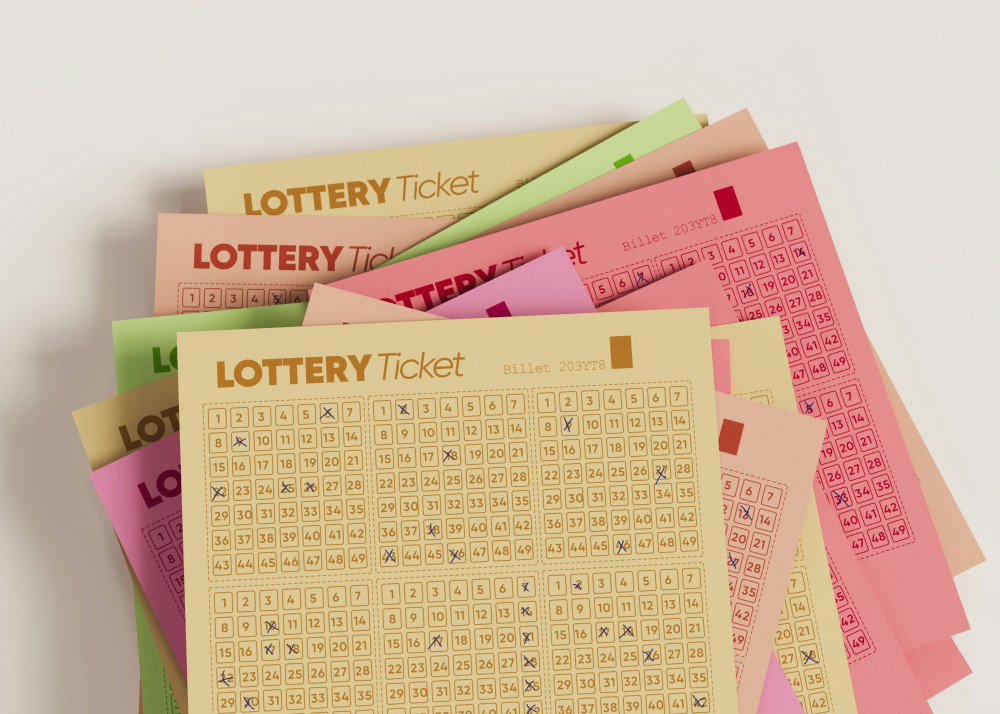
Every week, thousands of people across Ireland pick their numbers, buy a scratch card at the corner shop, or join an office syndicate for the next big draw. For most, it’s not just about the money – it’s about the dream. The dream of waking up free from financial worries, of helping family, travelling the world, or simply having a bit more freedom. But behind the numbers and odds lies something deeply human: the joy of hope itself.
Hope as part of everyday life
Hoping for a win is a small escape from reality. It’s a moment when we allow ourselves to imagine that anything could happen. For many, it’s a weekly ritual – a tiny spark of excitement that brightens the routine of everyday life.
Psychologists often point out that hope itself can be healthy. It gives us energy, optimism, and a sense of possibility, even in uncertain times. When we play, we’re not only chasing money – we’re chasing the feeling that life can still surprise us.
The human fascination with chance
Humans have always been drawn to chance – from ancient dice games to modern lotteries. There’s something fascinating about the idea that fate can turn on a single number or a lucky draw. It reminds us that life isn’t entirely predictable, and that luck sometimes plays a part.
For many, that’s part of the thrill. It’s a controlled risk – a way to feel a rush of excitement without real danger. The fun lies in the balance: dreaming big while knowing the odds are small. It’s not just about winning, but about feeling alive in the moment of possibility.
Læs også:


When the dream grows too big
Of course, hope can sometimes take over. For some, playing becomes more than a bit of fun – it becomes a habit or even a way to escape problems. That’s when the line between dreaming and dependency can blur.
That’s why it’s important to keep perspective. To see the game as entertainment, not as a solution. In Ireland, as in many other countries, lottery and gaming organisations now promote responsible play, helping people enjoy the excitement without losing control.
A good question to ask yourself is: would I still play if I knew I couldn’t win? If the answer is yes, then it’s probably about the experience itself – and that means hope is still your friend, not your enemy.
Hope as a shared experience
For many, playing is also a social thing. Friends or colleagues share tickets, families talk about what they’d do if they won, and the question “What would you do with the jackpot?” sparks conversations about dreams and values. It’s a way to talk about what we long for, without taking it too seriously.
Even when no one wins, something is shared – a laugh, a fantasy, a moment of collective hope. And perhaps that’s the real prize: the sense of connection and the joy of dreaming together.
The joy of hope itself
In the end, it’s rarely the money that makes the experience meaningful. It’s the feeling of being able to dream – the reminder that life still holds surprises. Hope is a quiet reassurance that not everything is fixed, and that something good might happen when we least expect it.
So next time you pick your numbers or scratch a card, think of it as more than a game. It’s a small ritual that reminds us that hope is alive – and that the joy of hoping itself can be a reward that lasts far longer than any prize.
Læs også: