Learn to Read Payout Tables and Understand Game Odds


Learn to Read Payout Tables and Understand Game Odds
When you play at a casino – whether online or in person – it’s easy to get caught up in the excitement. But behind every spin, card, or dice roll lies a world of mathematics and probability that determines how often you win and how much you can expect to get back. One of the best ways to become a more informed player is to learn how to read payout tables and understand game odds. It’s not about beating the system – it’s about playing smarter.
What Is a Payout Table?
A payout table, often called a paytable, is the game’s guide to winnings. It shows which symbols or combinations pay out and how much you’ll receive for each. In online slots, you can usually access it by clicking on an “i” icon or a question mark.
Here’s what you’ll typically find:
- Symbol values – how much each symbol pays for specific combinations.
- Special symbols – such as wilds, scatters, or bonus icons that can trigger extra features.
- Paylines – how many ways you can win and how symbols must align.
- Multipliers and bonus rounds – features that can boost your winnings but often require certain conditions.
Understanding the payout table is the first step to knowing what you’re playing for – and how much risk is involved.
RTP and the House Edge – The Key Numbers
A central concept in casino games is RTP (Return to Player). This figure shows the percentage of all wagers that a game pays back to players over time. For example, a slot with an RTP of 96% means that, on average, it returns €96 for every €100 wagered – but only when measured over thousands of spins.
The opposite of RTP is the house edge – the percentage the casino statistically keeps. If the RTP is 96%, the house edge is 4%. This margin ensures that the casino always has a long-term profit.
It’s important to remember that RTP doesn’t predict what you’ll win in a single session. You might get lucky and win big, or lose quickly, but over time the numbers always favour the house.
Læs også:




Volatility – How Often and How Much You Win
Another key term you’ll encounter is volatility (or variance). It describes how winnings are distributed:
- Low volatility: frequent but smaller wins. The game feels steady and predictable.
- High volatility: rare but larger wins. The game can swing dramatically, requiring patience.
- Medium volatility: a balance between the two extremes.
Your choice depends on your playing style. If you prefer steady play and longer sessions, low volatility games are ideal. If you’re chasing big jackpots and can handle the ups and downs, high volatility games might be more exciting.
Understanding Odds in Practice
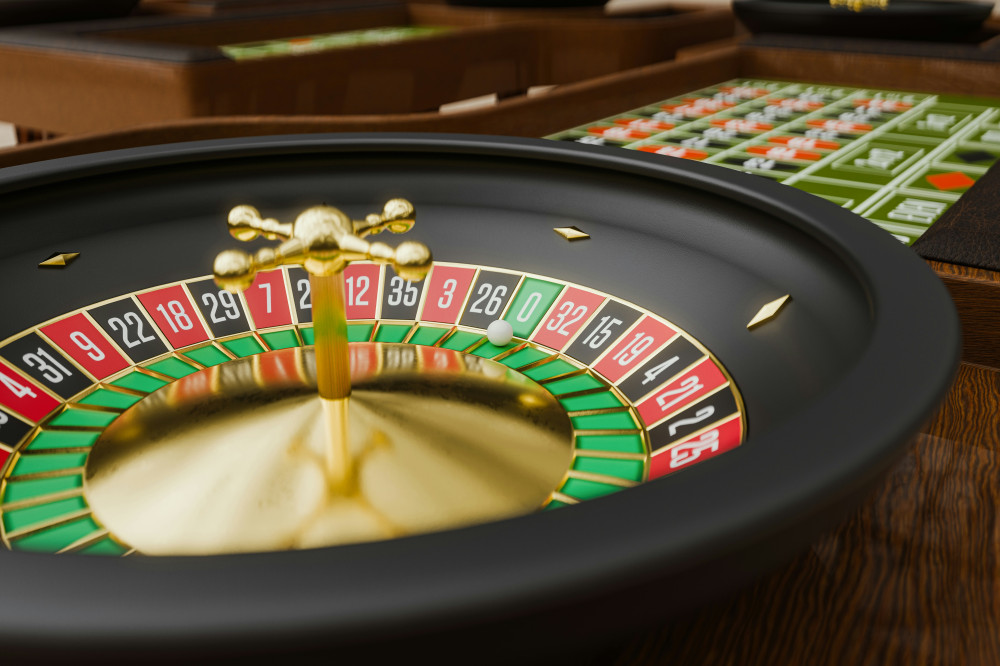
Game odds are all about the likelihood of a particular outcome. In a game like roulette, it’s easy to calculate: a European wheel has 37 pockets, so the chance of hitting a specific number is 1 in 37. In slot machines, it’s more complex because the symbols are controlled by a Random Number Generator (RNG), which ensures that every spin is independent of the last.
This means there are no “hot” or “cold” machines – every spin has exactly the same chance of winning as the one before. Understanding this helps you avoid common misconceptions, such as believing a win is “due” after a losing streak.
How to Use This Knowledge
Once you understand payout tables and game odds, you can make more informed decisions:
- Always read the payout table before you play – especially when trying a new game.
- Compare RTPs between games – some offer significantly better returns than others.
- Choose volatility to match your temperament – the game should suit your patience and budget.
- Set limits – both for time and money. The odds don’t change no matter how long you play.
- Play for entertainment – not as a way to make money.
Knowing the numbers behind the game won’t guarantee more wins, but it gives you control and insight – and that can make the experience both more enjoyable and more responsible.
Playing with Awareness
Casino games are, at their core, about entertainment. But the more you understand the mechanics behind them, the more realistic your expectations become. Payout tables and game odds aren’t just dry statistics – they’re the key to playing with awareness rather than pure chance. And that’s where the difference between luck and understanding truly begins.
Læs også: