Know the French Terms – Understand the Structure of the European Roulette Wheel


Know the French Terms – Understand the Structure of the European Roulette Wheel
Roulette is one of the most iconic casino games in the world – a game where elegance, excitement, and chance meet in a single spinning wheel. Yet for many players, the French terms and rules can seem confusing. What do en prison and la partage actually mean? And why is the European wheel different from the American one? Here’s a guide to the key French expressions and an explanation of how the classic European roulette wheel is structured.
A Game with French Origins
Roulette was born in France in the 18th century, and it’s no surprise that many of its terms remain in French today. The word roulette itself means “little wheel,” perfectly describing the essence of the game: a wheel that spins while a small ball finds its place in one of the numbered pockets.
As the game spread across Europe, the French terminology stayed with it – especially in the version we now know as European Roulette. This gives the game a sense of tradition and authenticity that many players appreciate, whether they’re playing in a land-based casino or online.
The European Wheel – 37 Pockets and a Single Zero
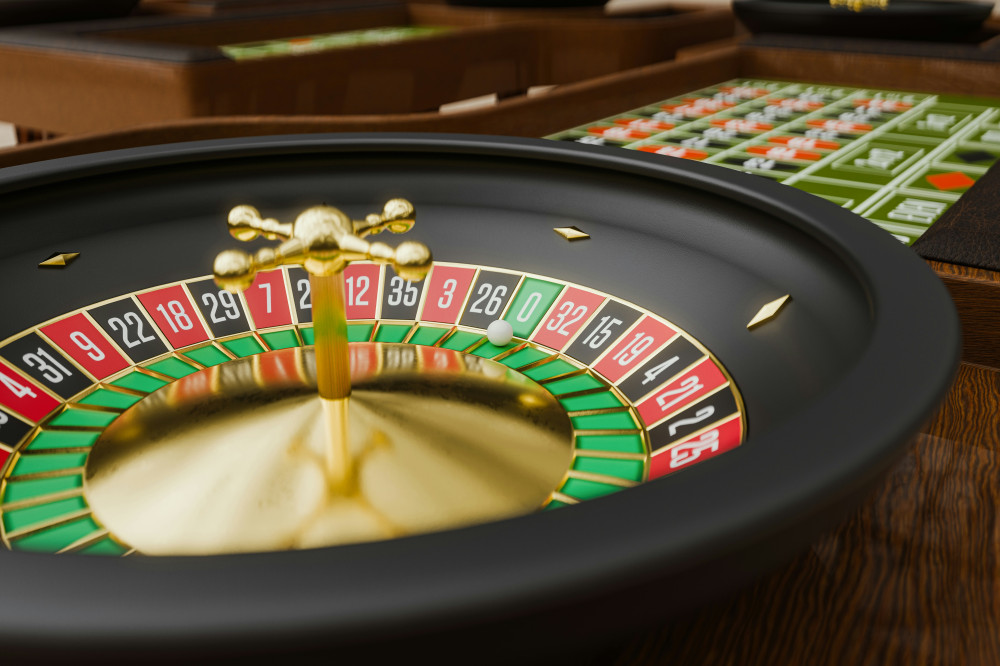
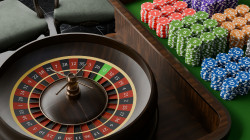
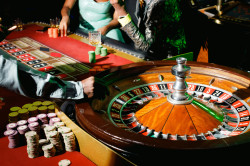
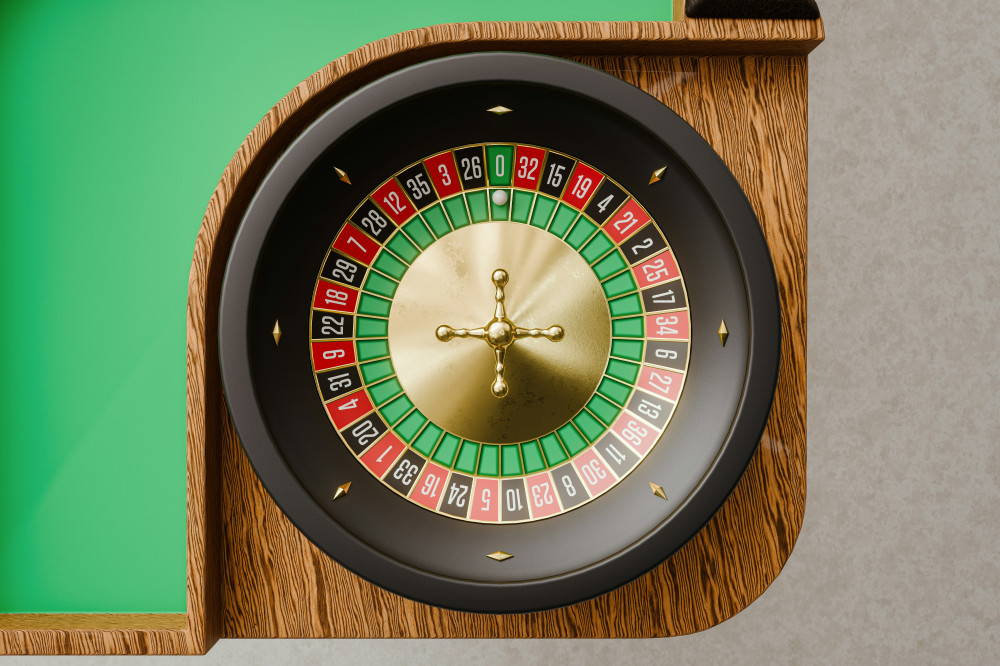
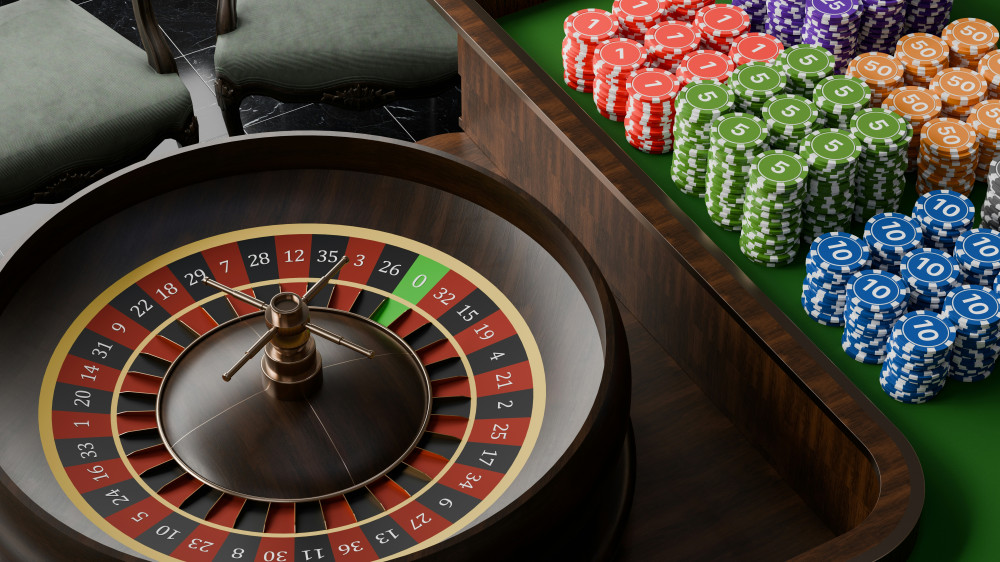
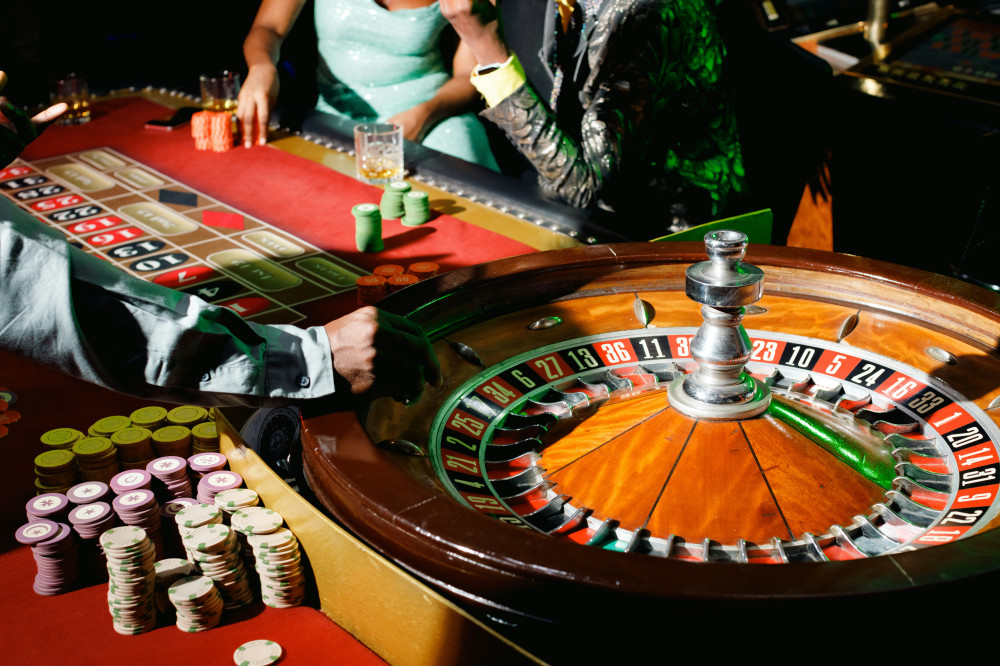
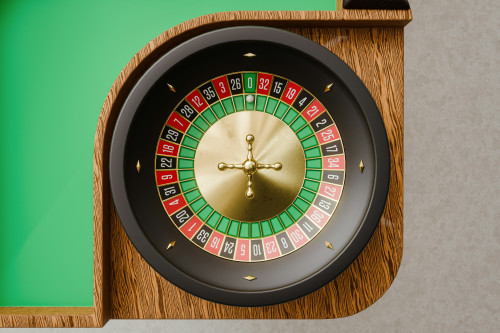
The European roulette wheel features 37 pockets: numbers 1 to 36 plus a single green pocket marked 0. The numbers alternate between red and black, while the zero is green. This design differs from the American version, which includes two green pockets (0 and 00) – a change that increases the house edge in the American game.
The numbers on the wheel aren’t arranged in numerical order but follow a carefully balanced pattern that alternates high and low, even and odd numbers. This layout ensures fairness and unpredictability, adding to the game’s charm and suspense.
Læs også:


The Key French Terms
When you play European roulette, you’ll often encounter French words on the betting layout. Here are some of the most important ones to know:
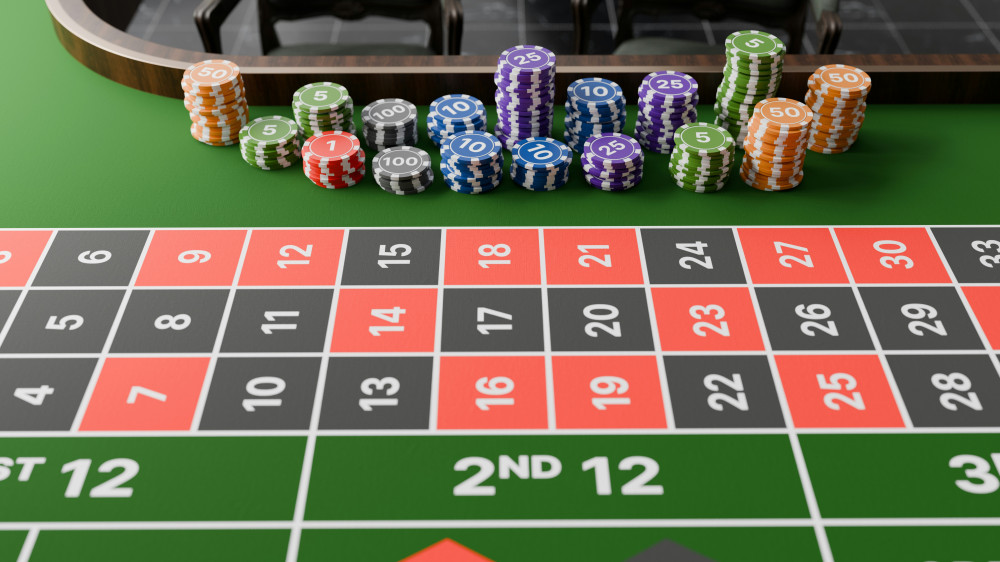
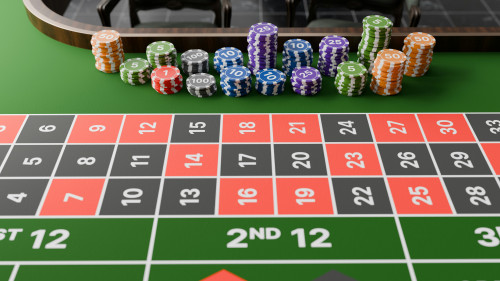
- En plein – a straight-up bet on a single number. Pays 35:1.
- Cheval – a split bet on two adjacent numbers. Pays 17:1.
- Transversale – a street bet on three numbers in a row. Pays 11:1.
- Carré – a corner bet on four numbers that meet at one point. Pays 8:1.
- Colonne and Douzaine – bets on a column (12 vertical numbers) or a dozen (12 consecutive numbers). Pays 2:1.
- Rouge/Noir, Pair/Impair, Manque/Passe – bets on colour, even/odd, or low/high numbers. These pay 1:1.
Knowing these terms helps you navigate the table layout and understand the wide range of betting options available.
Special Rules: La Partage and En Prison
One of the main advantages of European roulette is the presence of special rules that can reduce the house edge when the ball lands on zero.
- La Partage means that if you’ve placed an even-money bet (such as red/black) and the ball lands on 0, you get half of your stake back.
- En Prison works slightly differently: your stake is “imprisoned” for the next spin. If you win on the following spin, you recover your full stake; if you lose, it’s forfeited.
These rules aren’t always available at every casino, but when they are, they significantly improve the player’s odds – and they’re an important part of the traditional French style of play.
The Table Layout – More Than Just Numbers
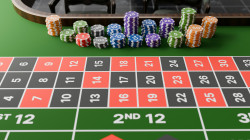
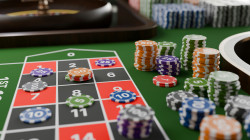
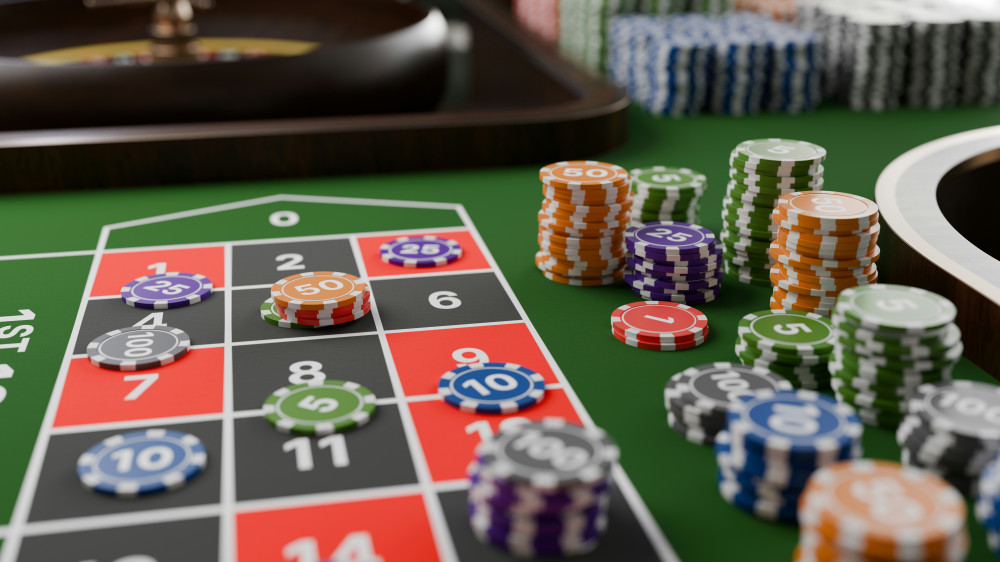
The roulette table is divided into two main areas: inside bets (wagers on specific numbers or small groups) and outside bets (wagers on larger groups such as colour or even/odd). The French terms are most often used for inside bets, where precision and strategy play a bigger role.
Many European tables also feature special sections labelled voisins du zéro (neighbours of zero) and tiers du cylindre (third of the wheel). These are used for call bets, where players bet on specific sections of the wheel rather than the table layout. It’s a more advanced form of play, often favoured by experienced players.
Why Choose European Roulette?
For most players, European roulette is the best option. The single zero gives the house a lower edge – typically around 2.7% – compared to the American version, where the double zero raises it to over 5%. At the same time, the game retains its classic atmosphere with French terminology and elegant rules.
Understanding the language and structure behind the game not only makes the experience more engaging but also helps you make more informed decisions when you play.
A Game of Tradition and Chance
Roulette is, at its heart, a game of luck – but it’s also a game of history, culture, and sophistication. The French terms and European design aren’t just decorative; they’re part of the game’s identity. So the next time you watch the ball dance around the wheel, you’ll know you’re taking part in a tradition that has captivated players for more than two centuries.
Læs også: