Unlocking dreams: The staggering odds of winning the lottery revealed
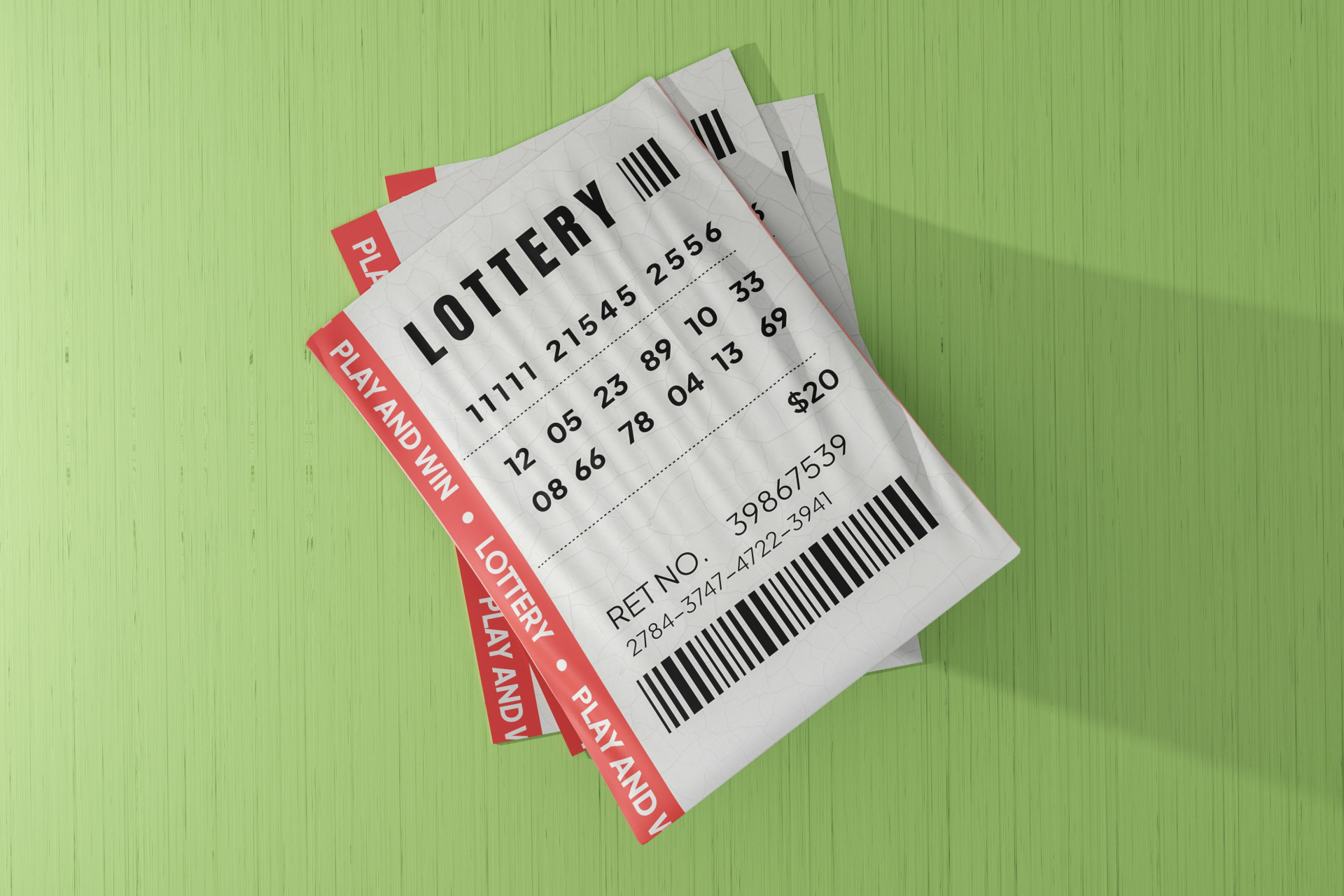
Unlocking dreams: The staggering odds of winning the lottery revealed
Millions of people around the world dream of hitting the jackpot in the lottery. The allure of instant riches and a life free from financial worries draws in hopeful players each week. But how realistic are these dreams? What are the actual odds of winning the lottery? In this article, we will delve into the staggering statistics behind lottery winnings and explore the truth behind the dream.
The Basics of Lottery Odds
Understanding lottery odds can be somewhat complicated. Generally, the odds of winning vary based on several factors, including the type of lottery and the number of tickets sold. For example, a 6/49 lottery game, where a player selects six numbers from a pool of 49, has the odds of winning the jackpot set at approximately 1 in 13,983,816. This means that players are extremely unlikely to win. In simpler terms, you have a better chance of being struck by lightning than securing that elusive jackpot.
The Types of Lotteries
Lotteries come in various forms, each with its own set of odds. There are daily draws, state lotteries, and massive multi-state games like Powerball and Mega Millions. These larger lotteries, while offering huge prizes, also have much lower odds of winning. For example, the odds of winning the Powerball jackpot stand at about 1 in 292.2 million.
In contrast, smaller local lotteries or scratch-off tickets can present better odds, although the prizes are typically much smaller. Players may have odds as favorable as 1 in 4 or 1 in 5 for winning smaller amounts. However, they still pale in comparison to the thrill of hitting a life-changing mega jackpot.
Factors Affecting Lottery Odds
Several factors can influence your chances of winning the lottery. The first is the number of total possible combinations. The higher this number, the lower your odds of winning. Similarly, the structure of the game matters. A game with fewer numbers to choose from will provide better odds than one with a larger pool.
Another critical factor is the number of tickets sold. If many people are playing, the odds of winning remain low, regardless of the game’s structure. In many cases, more tickets mean more competition, decreasing individual winning chances.
The Psychology of Lottery Players
Despite the staggering odds, the psychology behind lottery playing is fascinating. People are drawn to the hope and excitement of a potential windfall. It’s a form of escapism, a way to dream of a different life. Even knowing the odds, the thrill of buying a ticket and the possibility of winning can be incredibly enticing.
Lottery advertisements often play into this psychology, showcasing stories of ordinary people who win big. These narratives fuel dreams, even if they are statistically improbable. The perception of winning, even when against the odds, captivates millions. The studies suggest that many players rationalize their participation by believing “someone has to win” or “it could be me.”
The Realities of Lottery Winnings
Winning the lottery is not just about receiving a large check. It also comes with life-changing transformations that can be overwhelming. Lottery winners often need to navigate new financial landscapes, including managing taxes on their winnings and making decisions about investments.
Research indicates that many lottery winners face difficulties such as loss of friends and family strain. Some winners report feeling isolated or overwhelmed by their newfound wealth. Financial mismanagement is also common; studies reveal that a significant percentage of winners go broke within a few years. This highlights that winning is only the initial step in a complex journey.
The Economic Impact of Lotteries
Despite the slim chances of winning, lotteries contribute significantly to the economy. Lottery revenues often fund vital public services such as education, infrastructure, and community projects. In many regions, these funds are crucial for maintaining programs that benefit the public.
Additionally, lotteries create jobs and stimulate local economies. Retailers benefit from ticket sales, and states gain revenue that can be reinvested into various initiatives. Even with low individual winning odds, the collective investment in lotteries can have positive impacts on society as a whole.
Alternatives to Playing the Lottery
For those who enjoy the thrill of gambling, there are alternatives to lotteries. Other gaming options, like poker or blackjack, provide different odds and can be played strategically to improve one’s chances of winning. Additionally, investing in stocks or savings accounts may offer a more stable approach to financial growth without the extreme odds associated with lotteries.
Ultimately, individuals should weigh the risks and benefits of playing the lottery against their financial goals and overall well-being. Understanding the odds and implications of playing can help for more informed decisions about participation.


